

How do we decide what products we support and design?
Simple.
If it’s not natural, it’s not necessary.
There is literally no justification* for the vast bulk of the plastic and plastic-adjacent components in the products being sold to us.
Let’s break it down.
* Profit is by far the most frequently used justification for using plastic. Very rarely does using plastic have anything to do with safety or technological necessity.

Materials that are OK
Each component of a product, product packaging, and shipping material that we sell and/or utilize is evaluated for the presence of plastic, polymers, and other non-natural materials. For our criteria, natural materials include:
Metal
Wood
Ceramics
Glass
Natural rubber
Natural textiles
Natural oil
Natural wax/paraffin
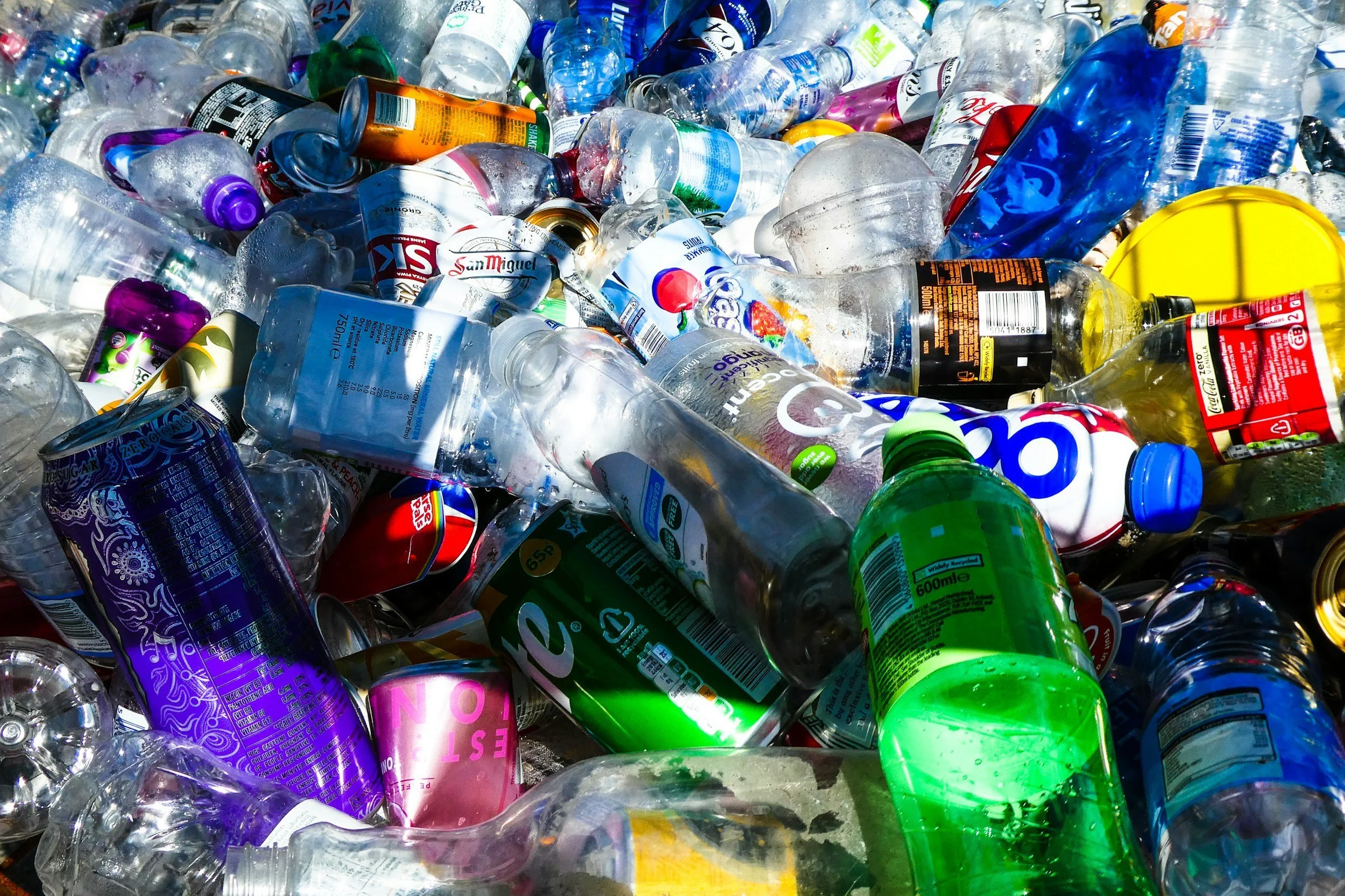
Materials that are NOT OK
Products made from petroleum-based oil (e.g. paraffin/wax, plastic, polymers, etc.)
Plastic that comes in contact with food (e.g. food storage containers, take-out containers, etc.)
Plastic in devices, whether or not they come in contact with food
Plastic and polymer coatings on product lids or food cans
Natural oils processed into nylon-type material (e.g. toothbrush bristles made from castor bean oil)
Petroleum-based oil
Silicone gaskets (e.g. food storage containers, water bottles, etc.)
Silicone coatings (e.g. parchment paper, cupcake papers, etc.)
Silicone baking pans
Recycled plastic (for more information on why, go here)
Paper cups/plates/bowls with petroleum-based paraffin wax coating
Teflon and other non-stick coatings on cookware